Category: Types of Influences

  • Love, Loyalty, and Limits: Would You Date Someone Who Abuses Drugs?

    Love, Loyalty, and Limits: Would You Date Someone Who Abuses Drugs?

    [TLDR: We all want to care for the people we love – but when drugs enter the picture, things get complicated. Loving someone who abuses drugs, or supporting a friend in that situation, can blur into enabling. From emotional strain to legal risks, their choices can affect both them and us. That’s why honest boundaries, checking in with friends or professionals, and  standing firm against habits that can cause harm matter. Supporting someone doesn’t mean excusing drug abuse, it means caring in a way that protects everyone involved.]

    couple
    (Photo taken by cottonbro studio on Pexels)

    In our latest episode with SGAG, we hit the streets of Singapore to ask: “Would you date someone who abuses drugs?” The answers were a mix of firm “no”s and thoughtful “it depends”s. Some drew a clear line and said no, pointing to personal boundaries. Others hesitated, saying things like, “It depends on their personality,” or “I would, but it could come to a point where I wouldn’t if there are repetitive bad habits”.

    The mix of answers says a lot. It shows how complicated relationships alongside the decisions around drugs can be. Love, loyalty, and concern often collide with our personal values and limits. It also reveals what we all, at the back of our minds know – that it’s tough getting a person off drugs once addicted.

    Why Boundaries Can Be Hard to Draw

    hand
    (Photo taken by Ron Lach on Pexels)

    We live in a generation that values empathy and inclusivity. We want to understand, not judge. We try to see the good in people and give them second chances. But sometimes, that very empathy makes it harder to say no even when we know we should. We might tell ourselves, “They just see things differently,” or “I can help them change.”

    Some of us may also hold on to the “love can save” belief — thinking that if we care enough, we can pull someone out of bad habits. But love, on its own, isn’t always enough. Without boundaries, what starts as care can slowly turn into covering up, excusing, or enabling harmful behaviour.

    And it’s not just personal feelings that make things complicated. The world around us shapes how we think too. With global media portraying certain drug abuse as casual or “normal”, it’s easy to internalise more liberal views and start seeing drug abuse as “not that bad”.

    But here in Singapore, we have supported clear laws for a reason – to protect lives and communities. Recognising these influences helps us make grounded choices that keep both compassion and safety in balance.

    The Ripple Effect: When One Person’s Choices Affect Many

    Drug abuse doesn’t only affect the person taking drugs – it ripples through partners, friends, and even families. We might notice shifts in routines, school or work performance, or mood. Emotional stress can build up, and sometimes there’s pressure to participate or cover up risky behaviour.

    If a friend is dating someone who abuses drugs, checking in can make a real difference. Even a simple “Hey, are you okay?” can open the door for an honest talk that’s desperately needed, or the nudge to seek help. Supporting someone doesn’t mean solving their problems alone. It means being present, listening, and helping them connect to the right resources. Whether it’s about us personally or someone we care about, knowing when to help and when to step back matters.

    Safe Boundaries vs. Risky Blind Spots

    It’s natural to want to help the people we love but there’s a difference between supporting safely and enabling harm. Safe boundaries mean encouraging a friend or ourselves to seek professional help, checking our own limits, and recognising when someone’s choices could put others at risk.

    Risky blind spots happen when we excuse or cover up dangerous behaviour, feel pressured to join, or ignore our instincts because of loyalty or empathy. In those moments, we’re accepting harm or disregarding personal and social boundaries in the name of care.

    Setting boundaries and standing by them isn’t always easy, but it’s essential. Boundaries help us protect ourselves and allow us to care in a way that is responsible and sustainable.

    How We Can Help a Friend or Ourselves Safely

    When we or someone we care about is in this situation, we can still act responsibly without putting ourselves in harm’s way. Checking in regularly, asking open questions, and noticing changes in behaviour or mood can help us respond with empathy and awareness.

    If things seem serious, it’s important to know our limits and encourage professional support. Because supporting someone doesn’t mean carrying all their weight. It’s okay to reach out for help, from friends, counsellors or community organisations, for example:

    • National Addictions Management Service (NAMS) at the Institute of Mental Health offers inpatient detox, outpatient care, and family programmes that help individuals and loved ones work through recovery together.
    • The Singapore Anti-Narcotics Association (SANA) supports persons-in-recovery and their families through aftercare and reintegration services — including case management and Step-Up Centres that help rebuild routines and social connections after rehabilitation or release from programmes with the Central Narcotics Bureau (CNB) or Singapore Prison Service.
    • WE CARE Community Services provides counselling, recovery support, and workshops for both individuals and families navigating addiction and its ripple effects.

    Reflection Time

    It’s a privilege if we’ve never had to deal with the effects of drugs in our lives. But one day, we might find ourselves in a situation where it hits closer to home – dating someone who abuses drugs, or supporting a friend who’s struggling. Would we “shoot our shot,” or would we know where to draw the line?

    Love and care are important, just as protecting ourselves and others is a priority. Reaching out when we’re unsure and supporting friends responsibly are ways we can show love without putting others at risk.

  • The Fine Line Between Open-Mindedness and Misguided Drug Views

    The Fine Line Between Open-Mindedness and Misguided Drug Views

    [TLDR: Being open-minded shows curiosity and acceptance. But wanting to fit in can blur boundaries and make us say yes to things we normally wouldn’t even entertain the thought of including harmful choices like drug abuse. Saying no to friends is tough, but true open-mindedness is about listening and reflecting, not about blindly following.]

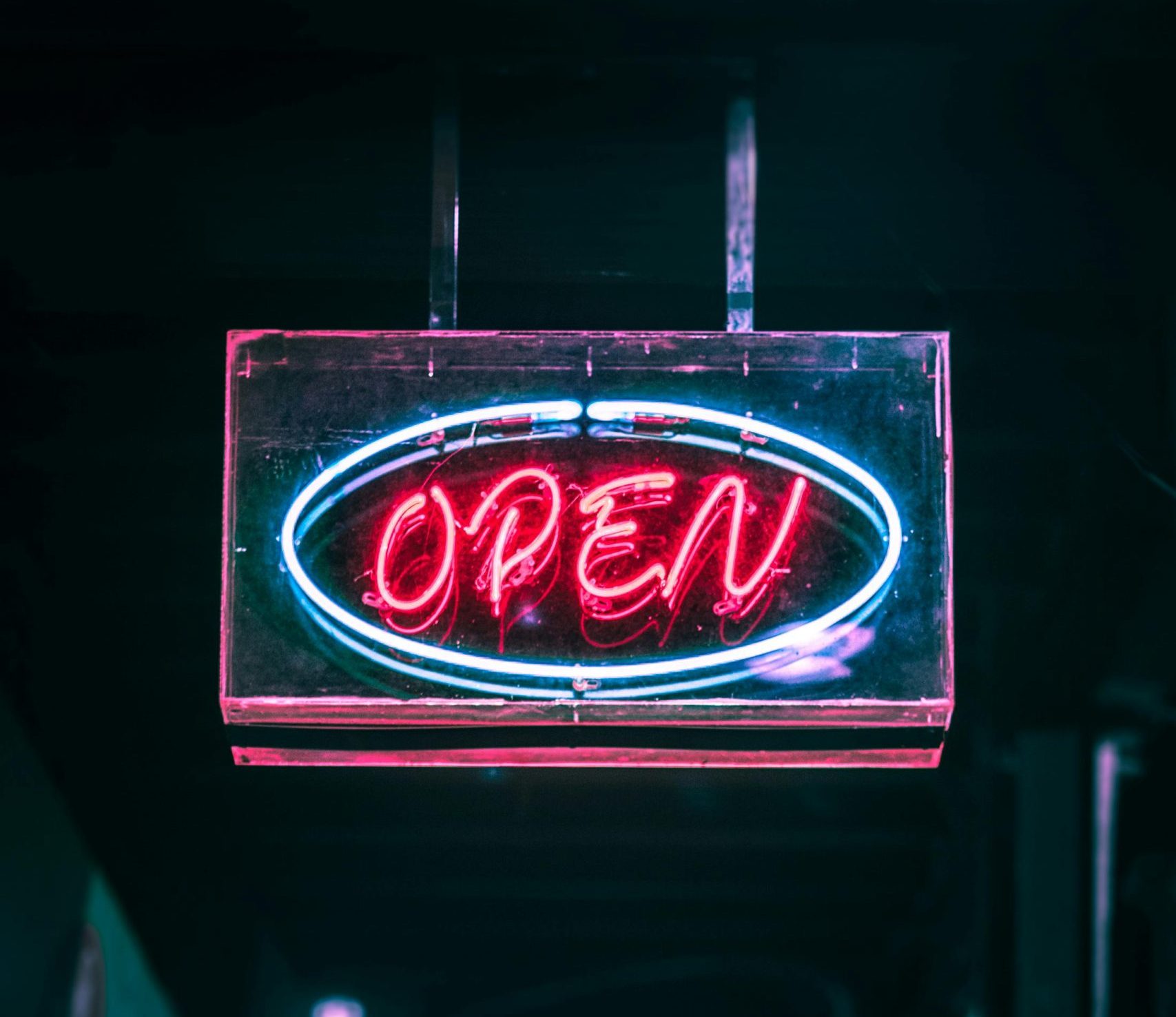
    open sign
    (Photo taken by Pratik Gupta on Pexels)

    Open-mindedness: Gen Z’s Unexamined Virtue

    For many Gen Zs, being open-minded isn’t just a good trait — it’s almost a badge of honour. It signals curiosity, acceptance, and a willingness to explore new ideas. Saying “I’m open-minded” often earns approving nods because it shows that we’re progressive, accepting, and not quick to judge.

    It’s easy to see why. In WeKayPoh’s conversations with youths, they were quick to admit that they were open-minded. From trying new foods to spontaneous adventures like bungee jumping, it’s seen as a gateway to growth, discovery, and connection. 1 In a generation that values diversity and individuality, open-mindedness feels like the key to understanding others and the world around us.

    The Social Pull of being Open-minded

    running
    (Photo taken by Paulina Bermudez Castellanos on Pexels)

    For many youths, being open-minded can also feel like a shortcut to belonging. It helps us blend in, prove we’re not uptight, and find common ground with others  – especially for youths figuring out their identity, it can be tempting to prove we’re not the odd one out in a group.

    It doesn’t help that our digital culture reinforces this. We’re often surrounded by memes, soundbites, and influencers championing “good vibes only” and “don’t knock it ‘til you try it.” Offline, friends joke about “never say never,” and saying no can make us seem boring or closed off. Over time, the pressure to appear easy going and accepting can blur the line between genuine curiosity and just saying yes to fit in.

    When Curiosity Turns Risky

    That’s when not having the right understanding of what is true open-mindedness slips into risky territory — especially around issues like drug abuse. What starts as curiosity or wanting to keep up with friends can quickly turn into ignoring red flags. The intention might be to stay open to new experiences, but without discernment, we risk letting peer pressure override our instincts.

    Just like the youths in WeKayPoh’s video shared, the pros of “open-mindedness” don’t quite apply when it comes to drugs, and it is important for us to stand our ground against drug abuse. 1

    Blind Spots in the Narrative

    Here’s what often gets missed: the very idea of being “open-minded” can sometimes close our minds in subtle ways. When applied to drug abuse, this can manifest as a reluctance to question peer narratives, an eagerness to dismiss risks, or a feeling of obligation to try anything once.

    • “Just once won’t hurt” can make us doubt what we already know
    • “It’s just for fun” minimises risks and makes harmful choices seem trivial
    • “Don’t be the odd one out” banks on our fear of exclusion to undermine our instincts

    In another article, we highlight three common lies people tell themselves about drugs – that drug abuse is acceptable in moderation, that it is a personal choice and that it is not harmful because it is legalised overseas. All three lies lean on the twisted idea of open-mindedness by downplaying the dangers of drug abuse.2

    Redefining Openness: Empathy with Boundaries

    Let’s be real, most of us already know the costs of drug abuse – the legal trouble, health risks, broken trust, the struggle with withdrawal symptoms. Many youths in Singapore are aware, just as we see in WeKayPoh’s street interview.1

    The true challenge here is to recognise that openness isn’t about giving every idea a free pass, it’s about considering all realities critically and applying discernment.3 We can listen, empathise and understand why some are more vulnerable to drug abuse, while staying rooted in your personal values that protect ourselves and our loved ones. The next time you feel nudged to be “open-minded,” ask yourself: am I being curious, or am I ignoring my instincts just to blend in?

    Reference articles:
    1Would you consider yourself to be open-minded? by WeKayPoh
    2The Unfiltered Truth on Drugs: 3 Lies About Drug Abuse
    3How I fell into The Trap of Being “Open-Minded” by ribbit.fyi

  • The Flipside of ‘You do You’

    The Flipside of ‘You do You’

    [TLDR; The “you do you” philosophy sounds empowering, but it’s become a cultural shield that stops us from questioning harmful choices. From its roots in self-help culture to its weaponisation in normalising drug abuse, this seemingly innocent phrase vilifies the calling out of destructive behavior and is seen as “judgmental”. But what happens when personal freedom excuses everything – good, bad, and the in-between?]

    thumbs down
    (Photo taken by cottonbro studio on Pexels)

    “You do you” has evolved from a message of inclusivity to a cultural mandate that shuts down even constructive criticism. It’s no longer a phrase celebrating inclusivity, but rather a stance embodying complicity. Worse, under the guise of advocating personal freedom, it can be weaponised to enable harmful behaviour.

    Imagine saying “you do you” to drug abuse – is questioning drug abuse judgmental? A recent episode of The Daily Ketchup features real stories of “you do you”, revealing how easy it is to misuse the term as a tool to shut down tough conversations – even when your instincts say something’s wrong.

    How did We Get Here?

    Social movements championing body positivity or condemning hustle culture have birthed “you do you” as a positive affirmation. Originally meant to empower people to live authentically, the sentiment behind it has shifted from “be yourself” to “don’t judge or call out anyone for anything”. For example, the “we listen, and we don’t judge” social media trend started out for laughs and as a well-meaning piece to encourage people to share their stories. However, it could also enable toxic behaviour and label those who dare question it as controlling.

    Think about the companies who are curating marketing campaigns that frame drug abuse as a lifestyle choice. In America, many cannabis companies have introduced “budtenders” in the retail stores, a creative albeit misleading term used to describe salespeople. 1 Budtenders typically have a youthful appearance, a clever tactic to soft sell to youths by being relatable. These salespeople don’t hard sell cannabis and seemingly allow youths to make their own choices, but in reality, they are still exerting influence on youths. The results show – such marketing campaigns have been linked to increased drug abuse in American youths .1

    “You do you” and its Fatal Flaws

    Our views are undeniably shaped by our surroundings – friends, influencers, comment sections, and even our “For You” Page on TikTok. If our surroundings hold great influence on us, then are our choice truly “ours” or are they led by others? In our haste to validate our friends, has “you do you” become an excuse to avoid holding others accountable? NCADA’s 2023 National Drug Perception Survey2 revealed that 18% of 3,000 youths know someone who has abused drugs. This statistic tells us that the drug issue is not as far removed as we thought it to be, and caring enough to have the courage to speak up could be key to making a difference.

    Speaking Up Doesn’t Have to Mean Calling Out

    hands on the table
    (Photo taken by Ron Lach on Pexels)

    Youth drug arrests under 20 rose 30% in 2024.3 This alarming statistic suggests that youths have been particularly susceptible to influences promoting drug abuse. Telling someone “you do you” might sound supportive, but when it comes to drugs, it can actually discourage intervention.

    Standing your ground doesn’t have to be loud. It can look like:

    • Checking in privately
    • Asking “Are you okay?” or “How can I help you?”, which shows that you care for your friend instead of blindly validating their actions.
    • If someone says, “I tried it overseas, it’s normal there,” you don’t have to argue. A soft response like “I get that, but risks don’t vanish just because it’s legal elsewhere,” can open doors for deeper conversation.

    Know Your Stand and Why

    Ignore the noise from peers or social media when reflecting on your views. Truly owning your stance – especially one grounded in facts, empathy and awareness – makes it easier to navigate peer pressure. Encouraging critical thinking and being supportive (where it counts!) creates space for real autonomy.

    Closing Thoughts

    The “you do you” culture promised freedom but delivered cultural conformity to conflict avoidance. We need more open conversations and safe spaces, not bystanders and silent judgment. Saying “you do you” might be appropriate in certain scenarios but when it comes to drug abuse, the phrase often does more harm than good. The next time you feel like taking the easy way out by just saying “you do you,” use your newfound knowledge to judge if saying it will actually be helpful.

    Doing so could pave the way for others to follow suit. Plus, we’re also helping ourselves when we look out for others, and that is just one more of the many reasons to speak up against drug abuse today. So, what kind of friend do you want to be? One who avoids tension by using “you do you”? Or one who protects by sparking a change?

    Reference articles:
    1Marijuana ads are enticing kids to try weed, study says. CNN
    2NCADA 2023 National Drug Perception Survey
    3Central Narcotics Bureau, Drug Situation Report 2024

  • 98% of Poll Respondents Believe Everyone Can Say No to Drugs. That’s Privilege Talking

    98% of Poll Respondents Believe Everyone Can Say No to Drugs. That’s Privilege Talking

    Person rejecting cigarette

    A recent Answers.sg poll posed a seemingly simple question:

    “Everyone has the choice and ability to say no to drugs. Do you agree?”

    The response?

    98% of more than 10,000 respondents said “Yes”.

    <br\>

    <br\>

    <br\> This article is in collaboration with MS News for The Trip: What Happened in Larspura?

  • Rebranding Drugs: The Power of Cultural Influence

    Rebranding Drugs: The Power of Cultural Influence


    [TL;DR: The truth to how cultural influence – celebrities, pop-culture, savvy marketing and profit-driven brands – have led the rebrand for drugs, cultivating greater acceptance of drugs and fuelling misperceptions of the harm of drugs. The key takeaway? Be mindful and aware of how culture can shape your views and cultivate tolerant attitudes towards drugs.]

    A person holding a microphone in front of a bright spot

AI-generated content may be incorrect.
    (Photo taken by Karsten Winegeart on Unsplash)

    You probably have hummed a song about drugs or watched content that openly shows consumption and glorifies the enjoyment of various types of drugs. You may even have heard that certain types of drugs can bring about benefits – whether it is enhancing your experience at a rave or helping aid sleep. Globally, drugs have undergone an extensive rebrand, all thanks to the power of cultural influence. How did drugs go from criminal to even a celebrated culture in some parts of the world?

    The Power of Celebrity

    (Source: Link)

    Many musicians, actors, and social media influencers openly use or promote some form of drugs. Some have even launched their own cannabis brand businesses; making drug abuse seem glamorous, creative, and rebellious all while profiting from it at the same time. But the reality is that all of this is planned and purposely framed to challenge perceptions and distort the truth about drugs. 

    Beyond normalising and glamorising drugs, why cultural influence can be exceptionally powerful is in how it is shared. Music, celebrities, movies etc are all cultural influences that are enjoyed with other people, they provide an identity and a sense of connectedness. These influences are all around us and can gradually shape one’s view of reality. It makes them perceive the real world in a way that mirrors what is seen in media, especially in this new age of rapid social media consumption.

    We can all identify with having specific friendships or social groups that are built on a common love and interest for a particular type of cultural influence. What happens when that cultural influence promotes drugs as a certain lifestyle? How does that affect social groups and individual views? It is not easy and takes courage to go against the grain.

    The Reality Check

    Cultural influence is all around us. And as wider legalisation of certain types of drugs and pro-drug narratives gain traction globally, drugs may one day be positioned as a lifestyle choice. The power of cultural influence can turn something undesirable into something desirable, distorting views and encouraging more permissive attitudes towards drugs. This can ultimately lead to openness to try when we lose sight of the real damaging consequences of drug abuse. No matter how “cool” or acceptable drug abuse may seem, it causes harmful consequences that are far from glamorous. Should we exercise greater caution in the media we consume? 

  • Drugs and the Problem of Friendship

    Drugs and the Problem of Friendship

    [TL;DR: What type of friend are you? Is there a problem with unconditional support as a friend? How does your peer personality affect others when it comes to negative influence of drugs? We experienced The Birthday Party – one of three immersive escape rooms at The Trip: What Happened in Larspura – and walked away with new thoughts about friendships. And the kind of friend I’d like to be.]

    The Peer Ecosystem

    Ever wondered about the different types of friends we want to have in our friendship circles? Maybe there’s a ride-or-die friend who gives unconditional support in all situations, or the social butterfly who is the life of the party. Maybe there’s also the social connector who keeps everyone together, one who observes from the sidelines, or even the friend who’s free-spirited and never imposes or judges? Got all these friend-types in your life? Check. Now, which category do you fall into and what would you do in situations where your friends are under pressure to engage in harmful activities? 

    A recent experience at an escape room got my friends and I talking about the different types of friends that we have and how sometimes our friends can unintentionally harm us, as they navigate different influences and situations.

    The Experience 

    Set in the context of a party, we had to interact with four friends of a fictional character Ben who abused drugs (imprinted with an otter) and was ill. Through our conversations with these friends, we had to uncover the real story that started Ben’s drug addiction and the roles each of the friends played in leading Ben towards drugs. Whether it was a friend who actively encouraged Ben to experiment and try new things in the name of fun, or a friend that helped cultivate Ben’s permissive attitude towards drugs through inaction or “unconditional” support, their impact on Ben’s life were evident as gameplay progressed. The ride-or-die, unconditional friend Kevin, inadvertently enabled Ben in every way even as Ben consumed the illicit otter pill. JJ, the respectful observer, continued to maintain distance and boundaries even as Ben had his first taste of drugs and continued to watch silently as he abused it without intervening. Similarly, the social glue Ash, prioritised keeping peace within the group over the health and life of Ben, while May, the social butterfly of the group even encouraged Ben to experiment all in the pursuit of fun.

    When the Rubber Hits the Road, What Type of Friend Am I?

    Each of these peer personas and the social setting we were immersed in at The Birthday Party demonstrated to us the complexities and challenges in speaking up against drugs and protecting our peers in these high-risk situations. From the perspective of the different characters, each of them had different motivations and reasons for acting the way they did. 

    Intervening and speaking up is not easy: after all, it does not guarantee that we can protect our friends and convince them against consuming drugs. This could be especially difficult in group social settings, where the action of speaking up or intervening could be seen as undesirable and going against the group. 

    In the face of a situation like what happened at The Birthday Party, how then should we act? Should we hold ourselves back from intervening when our friends engage in harmful behaviour?

    Let’s think about it differently. Youths in Singapore feel a high sense of belonging to their peers. This means that, even as young people, each of us has immense power to influence – whether this is positive influence or negative influence. We can have the ability to exert this power and influence to help  our peers out of bad situations. Though we can’t control how others respond, the possibility that our peers might accept our guidance means we can make a positive difference by using our influence thoughtfully to protect them. Speaking up in these challenging situations could prevent our friends from abusing drugs and protect them from the lifelong harm that comes with drug abuse. In the case of The Birthday Party, imagine what Ben’s life could have been, if each of his friends had chosen to speak up and dissuade him from abusing the drug. If each peer persona had acted otherwise – leaning into and embracing their power to influence – Ben’s life trajectory could have been completely different.

    While Ben is a fictional character from the escape room experience, the story mirrors very real experiences suggesting that this happens more often than we think. 

    What would you do if you were one of Ben’s friends? Would you step up to convince Ben not to consume the drug? 

  • Chasing Experiences: What My Visit to Ben’s Brain Taught Me

    Chasing Experiences: What My Visit to Ben’s Brain Taught Me

    [TL;DR: A reflection from a university student on the power of influences and how a recent experience at an escape room The Trip: What Happened in Larspura unlocked new perspectives when it came to drugs and her value to stay open-minded.] 

    University felt like a huge step-up. The campus was huge, cross-faculty learning was invigorating, and some personalities were larger than life. Having settled in, at 21, my resolution was to be fearless and to live fully. A friend that I had gone on exchange programme with signed us up for an experience at “Ben’s Brain”, one of three immersive escape rooms that ran at the Stamford Arts Centre. I left this experience with renewed perspectives.


    A Journey Through a Fractured Mind

    A person sitting in a cage

AI-generated content may be incorrect.

    (Learn more here: uninfluenced.sg/events/the-trip-what-happened-in-larspura)

    My visit to Ben’s Brain started out as a playful experience but I soon realised the escape room was much more than a game, it was a deep dive and reflection on all the vulnerabilities we share.  It was a game designed to reveal how our brains take in a variety of influences we experience – and how one’s views and actions might change in the face of new experiences when we lose sight of what we truly value.   

    Stepping into Ben’s Brain felt like entering a surreal labyrinth of puzzles and personal history. The escape room’s design was clever: it challenged participants to witness and piece together Ben’s life and in doing so solve four distinct puzzles that represented four different parts of the brain. I loved the frontal lobe game which was modelled after the higher-level cognitive functions such as decision-making that our frontal lobe engages in.  The decision-making game underscored how easily our choices can be hijacked. The different puzzles in the room, reflected the real-life impact that influences have on us and how they can change our views to be receptive to drugs. As we scrambled to piece together clues, I couldn’t help but draw parallels to my own experiences. 

    A group of televisions on a stand

AI-generated content may be incorrect.
    A group of people looking at books

AI-generated content may be incorrect.
    A hand touching a screen

AI-generated content may be incorrect.

    (Learn more here: uninfluenced.sg/events/the-trip-what-happened-in-larspura)

    My Déjà vu Experience

    I had spent considerable time on an overseas exchange and resonated with Ben’s story where an overseas trip turned into a chase for a novel experience. Sometimes, it created harmless fun and even led to eye-opening experiences (Think building your own house with your own hands. Imagine doing that in cosmopolitan Singapore). Other times, it meant playing with fire including joining drug-fuelled raves and toying with the idea of trying them in countries where drugs are legalised. After all, whatever happens overseas, stays overseas. Right? And according to news reports, I was not alone in feeling this way. In 2022, at least 41 Singaporeans and PRs were arrested for drug abuse overseas. Thankfully, I had friends who reasoned with me and we stayed away from drugs. 

    On hindsight, it could have gone down a slippery slope. What if my friends stayed silent, worried about either offending me or appearing close-minded?- Would that have changed my decision? The pressure and fear of missing out are real challenges that could affect anyone regardless of age.  Being a foreign exchange student could be a lonely experience due to language or cultural differences. Some could feel the pressure to explore uncharted territory such as trying drugs to avoid being shunned, since recreational drug use could be legalised and normalised in those countries. The conundrum could be very real, leading even those who had never considered drugs back home to struggle with the decision of whether they should give in to temptation. 

    Final Reflections

     Studies have shown that more than earlier cohorts, my generation has a greater openness to experimentation and capacity for diversity. Being open-minded can help us to grow along with new experiences – the good, bad and ugly. And that’s okay, if we are grounded in our values

    But we could waver in situations where lines are blurred or we feel pressured to act. In these situations, can we stay true to what we value while mollifying that fear of speaking up?

    What began as a game evolved into a sobering lesson on the types of influences in our lives and what it fundamentally means to be open-minded. Ben’s Brain wasn’t just an exhibit—it was an experience that prompted us to question our personal experience, our vulnerabilities, while considering the things we truly value in life. 

  • Navigating Peer Influence: Finding Your Path

    Navigating Peer Influence: Finding Your Path


    [TL;DR: Peer influence is powerful—sometimes in ways we don’t even realise. They can change our values and the way we behave sometimes for good but also sometimes for the worse. A strong understanding of what we value in life can help us to navigate through negative peer influence]

    The Science Behind Fitting In

    Silhouettes of people standing on a hill at night

AI-generated content may be incorrect.
    (Photo taken by Joshua Tsu on Unsplash)

    You may be tempted to think this peer pressure only happens to certain types of people or in specific situations. But science tells us that this desire to conform and to fit in, is not only common but part of human nature. Whether it’s the 3Asch Conformity Experiments or 4Social Identity Theory, behavioural psychology has proven without a doubt that all humans desire to fit in and be accepted by their social group. To be accepted, we could adopt the norms, values and behaviours of the in-group, but at what cost? 

    Peer pressure’s not all bad. Think about the fitness trends that have encouraged people to get together in groups to exercise. That’s the power of group-think used for something good. Simply engaging in healthy activities together as a group could foster camaraderie and a sense of belonging, and boost motivation: in the case of exercise, 35studies have shown that group-workouts are more effective in improving quality of life and reducing stress levels than individual workouts. This is one scenario proving that peer influence can be used for good. We often find purpose when we feel that we have a vital/irreplaceable role to play in a group setting and our self-worth is boosted. 

    However, there are always two sides to a coin, and peer pressure can be a negative force, inevitably forcing us to pick a side especially when there is conflict between our personal values and the group’s values. Findings from the 2025 Uninfluenced campaign survey revealed that 62% of youths in Singapore would feel pressured by their peers to try drugs at social events even if they did not want to. 

    Have you heard these utterances before? 

    “What happens in (place name), stays in (place name)”  

    “Come on, just try everything once” 

    Soundbites from CNB’s escape room event  

    If it sounds familiar, you might have heard or used it when hanging out with friends. At times, they could be harmless utterances that encourage us and our friends to let loose and even benefit. However, what about during situations where someone is in danger of abusing drugs? These seemingly harmless utterances can form part of peer pressure by invalidating the listeners’ values.

    Drug abuse can start because of curiosity. Add on peer pressure, playing on the the desire to fit in, or just not wanting to be the odd one out and as one former drug abuser shared, it can quickly spiral into something much harder to escape.

    The Slippery Slope of Peer Pressure

    A person sitting on a rooftop looking at a city at night

AI-generated content may be incorrect.
    (Photo taken by Tan Kaninthanond on Unsplash)

    It all began with a simple hangout at a friend’s house, said John (not his real name).

    “I was curious. My friends didn’t even want me to try at first, but I insisted,” he admitted. Over time, that curiosity grew into something else, a need to belong. As his friends experimented with more substances, he felt left behind.

    “They told me Ecstasy was way better than Meth, so I joined in. I didn’t want to feel left out.”

    For many, drugs are about rebellion. For others, it is about finding belonging. And the pressure isn’t always direct. Sometimes, it’s the fear of losing friendships. Other times, it’s the taunts:

    “My friends kept calling me ‘xiasuay’ (embarrassing) if I didn’t try it. When you’re in a tight-knit group, ‘face’ matters.

    Even the strongest resolve can be eroded when it comes to the influence of peer pressure. The desire be part of a group can erode even the resolve of the strongest especially when the pressure comes from those who matter the most to you. However, a strong understanding of what we value in life can help us to navigate these influences.