Blog

  • Love, Loyalty, and Limits: Would You Date Someone Who Abuses Drugs?

    Love, Loyalty, and Limits: Would You Date Someone Who Abuses Drugs?

    [TLDR: We all want to care for the people we love – but when drugs enter the picture, things get complicated. Loving someone who abuses drugs, or supporting a friend in that situation, can blur into enabling. From emotional strain to legal risks, their choices can affect both them and us. That’s why honest boundaries, checking in with friends or professionals, and  standing firm against habits that can cause harm matter. Supporting someone doesn’t mean excusing drug abuse, it means caring in a way that protects everyone involved.]

    couple
    (Photo taken by cottonbro studio on Pexels)

    In our latest episode with SGAG, we hit the streets of Singapore to ask: “Would you date someone who abuses drugs?” The answers were a mix of firm “no”s and thoughtful “it depends”s. Some drew a clear line and said no, pointing to personal boundaries. Others hesitated, saying things like, “It depends on their personality,” or “I would, but it could come to a point where I wouldn’t if there are repetitive bad habits”.

    The mix of answers says a lot. It shows how complicated relationships alongside the decisions around drugs can be. Love, loyalty, and concern often collide with our personal values and limits. It also reveals what we all, at the back of our minds know – that it’s tough getting a person off drugs once addicted.

    Why Boundaries Can Be Hard to Draw

    hand
    (Photo taken by Ron Lach on Pexels)

    We live in a generation that values empathy and inclusivity. We want to understand, not judge. We try to see the good in people and give them second chances. But sometimes, that very empathy makes it harder to say no even when we know we should. We might tell ourselves, “They just see things differently,” or “I can help them change.”

    Some of us may also hold on to the “love can save” belief — thinking that if we care enough, we can pull someone out of bad habits. But love, on its own, isn’t always enough. Without boundaries, what starts as care can slowly turn into covering up, excusing, or enabling harmful behaviour.

    And it’s not just personal feelings that make things complicated. The world around us shapes how we think too. With global media portraying certain drug abuse as casual or “normal”, it’s easy to internalise more liberal views and start seeing drug abuse as “not that bad”.

    But here in Singapore, we have supported clear laws for a reason – to protect lives and communities. Recognising these influences helps us make grounded choices that keep both compassion and safety in balance.

    The Ripple Effect: When One Person’s Choices Affect Many

    Drug abuse doesn’t only affect the person taking drugs – it ripples through partners, friends, and even families. We might notice shifts in routines, school or work performance, or mood. Emotional stress can build up, and sometimes there’s pressure to participate or cover up risky behaviour.

    If a friend is dating someone who abuses drugs, checking in can make a real difference. Even a simple “Hey, are you okay?” can open the door for an honest talk that’s desperately needed, or the nudge to seek help. Supporting someone doesn’t mean solving their problems alone. It means being present, listening, and helping them connect to the right resources. Whether it’s about us personally or someone we care about, knowing when to help and when to step back matters.

    Safe Boundaries vs. Risky Blind Spots

    It’s natural to want to help the people we love but there’s a difference between supporting safely and enabling harm. Safe boundaries mean encouraging a friend or ourselves to seek professional help, checking our own limits, and recognising when someone’s choices could put others at risk.

    Risky blind spots happen when we excuse or cover up dangerous behaviour, feel pressured to join, or ignore our instincts because of loyalty or empathy. In those moments, we’re accepting harm or disregarding personal and social boundaries in the name of care.

    Setting boundaries and standing by them isn’t always easy, but it’s essential. Boundaries help us protect ourselves and allow us to care in a way that is responsible and sustainable.

    How We Can Help a Friend or Ourselves Safely

    When we or someone we care about is in this situation, we can still act responsibly without putting ourselves in harm’s way. Checking in regularly, asking open questions, and noticing changes in behaviour or mood can help us respond with empathy and awareness.

    If things seem serious, it’s important to know our limits and encourage professional support. Because supporting someone doesn’t mean carrying all their weight. It’s okay to reach out for help, from friends, counsellors or community organisations, for example:

    • National Addictions Management Service (NAMS) at the Institute of Mental Health offers inpatient detox, outpatient care, and family programmes that help individuals and loved ones work through recovery together.
    • The Singapore Anti-Narcotics Association (SANA) supports persons-in-recovery and their families through aftercare and reintegration services — including case management and Step-Up Centres that help rebuild routines and social connections after rehabilitation or release from programmes with the Central Narcotics Bureau (CNB) or Singapore Prison Service.
    • WE CARE Community Services provides counselling, recovery support, and workshops for both individuals and families navigating addiction and its ripple effects.

    Reflection Time

    It’s a privilege if we’ve never had to deal with the effects of drugs in our lives. But one day, we might find ourselves in a situation where it hits closer to home – dating someone who abuses drugs, or supporting a friend who’s struggling. Would we “shoot our shot,” or would we know where to draw the line?

    Love and care are important, just as protecting ourselves and others is a priority. Reaching out when we’re unsure and supporting friends responsibly are ways we can show love without putting others at risk.
  • The Fine Line Between Open-Mindedness and Misguided Drug Views

    The Fine Line Between Open-Mindedness and Misguided Drug Views

    [TLDR: Being open-minded shows curiosity and acceptance. But wanting to fit in can blur boundaries and make us say yes to things we normally wouldn’t even entertain the thought of including harmful choices like drug abuse. Saying no to friends is tough, but true open-mindedness is about listening and reflecting, not about blindly following.]

    open sign
    (Photo taken by Pratik Gupta on Pexels)

    Open-mindedness: Gen Z’s Unexamined Virtue

    For many Gen Zs, being open-minded isn’t just a good trait — it’s almost a badge of honour. It signals curiosity, acceptance, and a willingness to explore new ideas. Saying “I’m open-minded” often earns approving nods because it shows that we’re progressive, accepting, and not quick to judge.

    It’s easy to see why. In WeKayPoh’s conversations with youths, they were quick to admit that they were open-minded. From trying new foods to spontaneous adventures like bungee jumping, it’s seen as a gateway to growth, discovery, and connection. 1 In a generation that values diversity and individuality, open-mindedness feels like the key to understanding others and the world around us.

    The Social Pull of being Open-minded

    running
    (Photo taken by Paulina Bermudez Castellanos on Pexels)

    For many youths, being open-minded can also feel like a shortcut to belonging. It helps us blend in, prove we’re not uptight, and find common ground with others  – especially for youths figuring out their identity, it can be tempting to prove we’re not the odd one out in a group.

    It doesn’t help that our digital culture reinforces this. We’re often surrounded by memes, soundbites, and influencers championing “good vibes only” and “don’t knock it ‘til you try it.” Offline, friends joke about “never say never,” and saying no can make us seem boring or closed off. Over time, the pressure to appear easy going and accepting can blur the line between genuine curiosity and just saying yes to fit in.

    When Curiosity Turns Risky

    That’s when not having the right understanding of what is true open-mindedness slips into risky territory — especially around issues like drug abuse. What starts as curiosity or wanting to keep up with friends can quickly turn into ignoring red flags. The intention might be to stay open to new experiences, but without discernment, we risk letting peer pressure override our instincts.

    Just like the youths in WeKayPoh’s video shared, the pros of “open-mindedness” don’t quite apply when it comes to drugs, and it is important for us to stand our ground against drug abuse. 1

    Blind Spots in the Narrative

    Here’s what often gets missed: the very idea of being “open-minded” can sometimes close our minds in subtle ways. When applied to drug abuse, this can manifest as a reluctance to question peer narratives, an eagerness to dismiss risks, or a feeling of obligation to try anything once.

    • “Just once won’t hurt” can make us doubt what we already know
    • “It’s just for fun” minimises risks and makes harmful choices seem trivial
    • “Don’t be the odd one out” banks on our fear of exclusion to undermine our instincts

    In another article, we highlight three common lies people tell themselves about drugs – that drug abuse is acceptable in moderation, that it is a personal choice and that it is not harmful because it is legalised overseas. All three lies lean on the twisted idea of open-mindedness by downplaying the dangers of drug abuse.2

    Redefining Openness: Empathy with Boundaries

    Let’s be real, most of us already know the costs of drug abuse – the legal trouble, health risks, broken trust, the struggle with withdrawal symptoms. Many youths in Singapore are aware, just as we see in WeKayPoh’s street interview.1

    The true challenge here is to recognise that openness isn’t about giving every idea a free pass, it’s about considering all realities critically and applying discernment.3 We can listen, empathise and understand why some are more vulnerable to drug abuse, while staying rooted in your personal values that protect ourselves and our loved ones. The next time you feel nudged to be “open-minded,” ask yourself: am I being curious, or am I ignoring my instincts just to blend in?

    Reference articles:
    1Would you consider yourself to be open-minded? by WeKayPoh
    2The Unfiltered Truth on Drugs: 3 Lies About Drug Abuse
    3How I fell into The Trap of Being “Open-Minded” by ribbit.fyi

  • “But It’s Legal There”: Does Legality Always Imply Safety?

    “But It’s Legal There”: Does Legality Always Imply Safety?

    [TLDR: In our interconnected world, Singaporeans are constantly exposed to diverse views about drugs – opinions get shaped through media, travel, and friends’ experiences abroad. But does legality elsewhere make something safe or acceptable? This article explores why “legal doesn’t mean safe” and how we can think beyond the legal vs illegal divide when it comes to drugs.]

     (Photo taken by Aliaksandra Babko on Pexels)

    Living in a World of Different Laws

    When we travel, study or live abroad, we deal with different sets of laws that govern the country – this is called legal pluralism. These laws can shape our experience and our views of the place. Take bubble gum for instance. Just a drive across our Singapore borders, the gum can be purchased but in Singapore, there is no sale and production of gum. Have you ever wondered why and felt like the authorities are making a scene out of nothing?

    What about in the case of drugs? When experiencing legal pluralism, thoughts like “People don’t hide it; it’s out in the open.” and “Everyone knows someone who’s tried it at least once.” are common. Legal pluralism can become a ‘loophole’ or a convenient excuse for those who are curious about drugs. And so, if we have friends who are curious, how should we respond?

    Why “Legal = Safe” is a Fallacy: The Danger of the ‘Harmless’ Illusion

    stop sign and human
    (Photo taken by Jesus Con S Silbada on Pexels)

    Legalisation in countries like Thailand can create the illusion that drugs—especially cannabis—are harmless.

    • Legal acceptance – “It’s legal here, so it must be okay.”
    • Social & Peer Influence – “Everyone’s doing it, why not?”
    • FOMO and Experimentation – “You only live once, this might be my only chance to try.”
    • Media and Lifestyle Portrayals – “…it seems so common with musicians and famous actors. They seem to be partying hard and having a good time. Are drugs really that dangerous?”1

    What once felt off-limits might start to feel acceptable just because it’s normalised around us. Normalised presentation of drugs in everyday food – for example, a response in a Mothership Video1 shared that in Thailand, cannabis was so common, it came in the form of water, bread and cookies, making it feel casual and harmless. But the inherent harms of drugs do not change regardless of whether it’s legal or not. Abusers still feel the physical effects, families still feel the emotional distance and addiction is still a possibility.

    Instead of giving in to FOMO, maybe it’s time we encourage our friends to embrace a little JOMO – the Joy of Missing Out. Choosing not to follow the crowd isn’t about being left out; it’s about being confident in our own choices, and knowing that protecting our wellbeing is far more rewarding than satisfying a moment of curiosity.

    Seeing the Bigger Picture

    While laws are meant to protect people and guide orderly societal behaviour, sometimes economic interests could be prioritised. In reality, decisions that guide law-making is complex and multifaceted. Different countries make different trade-offs based on unique contexts and priorities.

    In 2023, San Francisco relaxed drug laws and saw an all-time high in drug overdose deaths with more than 80% attributed to Fentanyl overdose. Similarly, British Columbia in Canada experienced more than 5% increase in drug overdose death after legalising the possession of small amounts of drugs.2

    It’s important to think about the impact of drugs. Singapore is of the view that the societal costs far outweigh its economic benefits, providing compelling evidence to support caution. Our country’s approach has done well in keeping our drug situation under control, effectively eliminating the need for counter-measures such as legalisation. If that day ever comes, it could be a sign that the problem’s grown, not gone away.

    Read about the effects of drug abuse to understand its nuances so that you can make your own informed choices.

    Reference articles:
    1 Legalisation of Drugs overseas, MothershipSG
    2 The Dangers of Drug Liberalisation, CNB

  • The Flipside of ‘You do You’

    The Flipside of ‘You do You’

    [TLDR; The “you do you” philosophy sounds empowering, but it’s become a cultural shield that stops us from questioning harmful choices. From its roots in self-help culture to its weaponisation in normalising drug abuse, this seemingly innocent phrase vilifies the calling out of destructive behavior and is seen as “judgmental”. But what happens when personal freedom excuses everything – good, bad, and the in-between?]

    thumbs down
    (Photo taken by cottonbro studio on Pexels)

    “You do you” has evolved from a message of inclusivity to a cultural mandate that shuts down even constructive criticism. It’s no longer a phrase celebrating inclusivity, but rather a stance embodying complicity. Worse, under the guise of advocating personal freedom, it can be weaponised to enable harmful behaviour.

    Imagine saying “you do you” to drug abuse – is questioning drug abuse judgmental? A recent episode of The Daily Ketchup features real stories of “you do you”, revealing how easy it is to misuse the term as a tool to shut down tough conversations – even when your instincts say something’s wrong.

    How did We Get Here?

    Social movements championing body positivity or condemning hustle culture have birthed “you do you” as a positive affirmation. Originally meant to empower people to live authentically, the sentiment behind it has shifted from “be yourself” to “don’t judge or call out anyone for anything”. For example, the “we listen, and we don’t judge” social media trend started out for laughs and as a well-meaning piece to encourage people to share their stories. However, it could also enable toxic behaviour and label those who dare question it as controlling.

    Think about the companies who are curating marketing campaigns that frame drug abuse as a lifestyle choice. In America, many cannabis companies have introduced “budtenders” in the retail stores, a creative albeit misleading term used to describe salespeople. 1 Budtenders typically have a youthful appearance, a clever tactic to soft sell to youths by being relatable. These salespeople don’t hard sell cannabis and seemingly allow youths to make their own choices, but in reality, they are still exerting influence on youths. The results show – such marketing campaigns have been linked to increased drug abuse in American youths .1

    “You do you” and its Fatal Flaws

    Our views are undeniably shaped by our surroundings – friends, influencers, comment sections, and even our “For You” Page on TikTok. If our surroundings hold great influence on us, then are our choice truly “ours” or are they led by others? In our haste to validate our friends, has “you do you” become an excuse to avoid holding others accountable? NCADA’s 2023 National Drug Perception Survey2 revealed that 18% of 3,000 youths know someone who has abused drugs. This statistic tells us that the drug issue is not as far removed as we thought it to be, and caring enough to have the courage to speak up could be key to making a difference.

    Speaking Up Doesn’t Have to Mean Calling Out

    hands on the table
    (Photo taken by Ron Lach on Pexels)

    Youth drug arrests under 20 rose 30% in 2024.3 This alarming statistic suggests that youths have been particularly susceptible to influences promoting drug abuse. Telling someone “you do you” might sound supportive, but when it comes to drugs, it can actually discourage intervention.

    Standing your ground doesn’t have to be loud. It can look like:

    • Checking in privately
    • Asking “Are you okay?” or “How can I help you?”, which shows that you care for your friend instead of blindly validating their actions.
    • If someone says, “I tried it overseas, it’s normal there,” you don’t have to argue. A soft response like “I get that, but risks don’t vanish just because it’s legal elsewhere,” can open doors for deeper conversation.

    Know Your Stand and Why

    Ignore the noise from peers or social media when reflecting on your views. Truly owning your stance – especially one grounded in facts, empathy and awareness – makes it easier to navigate peer pressure. Encouraging critical thinking and being supportive (where it counts!) creates space for real autonomy.

    Closing Thoughts

    The “you do you” culture promised freedom but delivered cultural conformity to conflict avoidance. We need more open conversations and safe spaces, not bystanders and silent judgment. Saying “you do you” might be appropriate in certain scenarios but when it comes to drug abuse, the phrase often does more harm than good. The next time you feel like taking the easy way out by just saying “you do you,” use your newfound knowledge to judge if saying it will actually be helpful.

    Doing so could pave the way for others to follow suit. Plus, we’re also helping ourselves when we look out for others, and that is just one more of the many reasons to speak up against drug abuse today. So, what kind of friend do you want to be? One who avoids tension by using “you do you”? Or one who protects by sparking a change?

    Reference articles:
    1Marijuana ads are enticing kids to try weed, study says. CNN
    2NCADA 2023 National Drug Perception Survey
    3Central Narcotics Bureau, Drug Situation Report 2024

  • Test – No featured image

    Test – No featured image

    This article does not have a featured image.

    @watermelonmuncheryfm his bumbum hurt after he fell 😩 (edit : I SAW HIM TOOK K UNDER HES SHIRT ALSO YA SO STOP W ACCUSATIONS)#kpod#finalboss#sgxs#sgtiktok#drvg#quit#funny♬ admire the perc – !

    This is a cover image component.
    This text should appear as an overlay.

    Image of leaves with radial blur

    1st column

    3rd column

    Image of neon lights forming the shape of a leaf
    Photo taken by Alex Ware on Unsplashed

    Etcetera

    @t.nbac35#lấy♬ nhạc nền – 🌾🌾 buồn cho đời mình 🌾🌾

  • Cannabis: The Hype, The Lies and The Influence

    Cannabis: The Hype, The Lies and The Influence

    [TLDR: Discover how savvy marketing, profit-driven industries, and celebrity endorsements have transformed cannabis from a criminal taboo into a celebrated cultural trend in parts of the world. Behind the hype lies a hidden cost — know the facts, stay sharp, stay uninfluenced.]

    Image of neon lights forming the shape of a leaf
    Photo taken by Alex Ware on Unsplashed

    The Creeping Influence of Pro-Cannabis Narratives

    Photo of attractively packaged snacks
    Photo taken by Mike Von on Unsplash

    Have you noticed how casually the words “weed” or “marijuana” are thrown around these days? Pop culture has normalised cannabis abuse through  the songs we hear, the movies we watch and even the  celebrities we idolise.1 What’s less visible is the calculated industry effort behind this normalisation – cannabis has been rebranded as a “sophisticated” lifestyle choice through clever marketing, using food and flavour-inspired references to promote positive sensations.2 These are just some examples of carefully crafted messaging to distance cannabis from its harmful reality. 

    As neighbouring countries decriminalise cannabis abuse, many might start thinking, “It’s not such a big deal, right?”

    But here’s the truth: the cultural normalisation of cannabis is causing a serious impact – it is changing our views on drugs. Despite Singapore’s stringent drug laws, young people below 30 continue to form the largest proportion among both total cannabis abusers arrested and new cannabis abusers arrested at 49% and 57%, respectively.3 

    The Truth About Cannabis

    Image of leaves with radial blur
    Photo taken by Eugene Golovesov on Pexels

    Abusing cannabis has real costs that go beyond just the purchase price.  

    In the short term, cannabis can cause impaired learning, memory loss, shortened attention, poor motor coordination, and risky decision-making.4 These aren’t just minor effects – they interfere with our ability to think, plan, and solve problems.5 And the potential collateral damage caused by impaired cognitive function? Think derailed educational and career opportunities, among others. 

    Over time, these effects worsen. Drug abuse has long-term consequences that extend far beyond the individual, and can cause emotional and social fallout.6 

    “(Referring to the ease of relapse) Just a small temptation, a sneaky opportunity, a brief moment of weakness and everything you have worked hard for would have gone down the drain. The battle is ongoing, a lifelong commitment to staying clean,” said Dr. (HC) Riduan Ishak. “Never start,” he advised.7 

    Contrary to popular narratives, cannabis is not the wellness wonder you’re told of. Despite what is being pushed in the media, the scientific evidence supporting claims of cannabis for medical use currently remains limited and inconclusive.8

    Stay Informed, Stay Uninfluenced

    As pro-cannabis narratives continue to grow louder, it’s easy to start wondering, “Maybe cannabis is different… maybe it’s not as harmful as they say.” But that’s exactly what the marketing wants you to believe.

    Let’s learn to recognise the influences surrounding us and rethink the narratives we consume. 

    View this post on Instagram

    A post shared by Syafiqa AKA SYA 👹🎀 (@syafiqapls)

    @tkmusic06 Part 218 | 𝐒𝐨𝐧𝐠 𝐍𝐚𝐦𝐞 : 𝐌𝐎𝐋𝐕𝐄𝐒 𝐱 𝐒𝟎𝐑𝐈𝐀 𝐌𝐀𝐃𝐄𝐋𝐄 𝐒𝐋𝐎𝐖 | #phonk#phonk_music#funk#bassbosted#slowedsongs#aveeplayer#tk#fyp#foryou♬ សំឡេងដើម – TK┊Music 🎧🎶

    Reference articles:
    1 How cannabis and alt beverage brands can thrive despite marketing hurdles
    2 Marijuana ads are enticing kids to try weed, study says
    3 Singapore Drug Situation Report 2024
    4 Cannabis and Brain Health
    5 Using marijuana may affect your ability to think and plan, study says
    Families, loved ones of drug abusers suffer from emotional, social fallout of addiction: Social workers
    7 Our Flawed Journeys by Architects of Life
    8 Heart of the Matter podcast: Unpacking young people’s misperceptions about cannabis
  • The Unfiltered Truth on Drugs: 3 Lies About Drug Abuse  

    The Unfiltered Truth on Drugs: 3 Lies About Drug Abuse  

    [TL;DR: Could drug abuse ever be okay? Think again.
    We break down three common misconceptions about drugs that surround us today, revealing how the drug industry targets us and uses sophisticated marketing to normalise harmful substances. Understanding these tactics helps you stay uninfluenced and see the real facts when it comes to drugs.] 

    Person using smartphone
    Photo taken by Rob Hampson on Unsplash

    You probably have encountered mixed messages about drugs online, in the media you consume, or even through conversations with friends. As drug legalisation spreads globally and marketing becomes increasingly sophisticated, it is harder than ever to separate fact from fiction. Drug companies and their advocates know this, and are specifically targeting younger consumers.

    Let’s expose three common lies about drugs that are being pushed through clever marketing, social pressure and misinformation.

    Myth #01: “It’s Fine As Long As You Don’t Overdo It”

    You’ve probably heard it before:

    It’s fine as long as you don’t overdo it.

    or

    Some drugs aren’t harmful, they can actually be beneficial.

    If you search the terms “raw cannabis” or “microdosing psychedelics” online today, you may find many articles that promote such views. Some are even disguised as wellness or lifestyle content.

    However, this contradicts scientific research that consistently show that any form of cannabis has impact on health and well-being – from impairing attention, memory and decision-making to affecting cognitive function, which increases the risk of accidents and harm.1, 2 

    The notion that “just trying it once” is harmless oversimplifies addiction, which can develop unpredictably based on factors like genetics, mental health, and trauma.

    Silhouette of 2 Person Standing in Front of White and Black Stripe Wall
    Photo taken by Cottonbro Studio on Pexels

    Myth #02: “My Body, My Choice”

    “My body, my choice” is a common refrain. It frames drug abuse as a matter of personal choice and liberty. But this framing ignores how our decisions are shaped by powerful commercial interests that profit from individualistic messaging while downplaying societal impacts. Behind the “freedom of choice” narrative lies sophisticated cultural shifts that have redefined recreational drug use as progressive and open-minded, making those who question these norms feel judgmental or outdated.

    What’s rarely discussed is how privilege can shape these “personal” choices. Those with economic advantages, supportive families, and access to healthcare often approach drug experimentation with a false sense of immunity to consequences. This privileged perspective ignores how their choices influence others—especially peers with fewer resources, unstable home environments, or existing mental health challenges who may face far more severe consequences for the same choices.

    So, is drug abuse truly a “personal choice”? Your social circles can gradually normalise behaviours you once rejected, while your “personal” choices can become the justification for others to make potentially more harmful decisions in different circumstances.

    Myth #03: “If It’s Legal, It Must Be Okay”

    As more countries legalise drugs, a dangerous perception grows with the phenomenon: if it’s legal, it can’t be that harmful. This again is an oversimplification that ignores the complex factors behind legalisation decisions and the mounting evidence of negative consequences.

    What’s driving legalisation isn’t purely public safety but profit. And cannabis firms are taking pages directly from the Big  Tobacco marketing playbook to hook young consumers. For example, in 2018 alone, North America’s cannabis industry spent US$661 million on marketing campaigns and spends are projected to increase to 3.89 bn 10 years later.3

    Behind the scenes in America, power brokers have marketed marijuana as a cure-all to shape public perception, paving the way for widespread acceptance and profitable growth of the recreational cannabis market.4 Furthermore, the utilisation of social media and influencers to promote their products to young, impressionable audiences, makes cannabis increasingly enticing.4

    Countries that have legalised drugs often experience devastating societal impacts. In the United States, which was one of the first countries to legalise cannabis, research shows negative impacts on adolescent health alongside increased healthcare and social costs.

    Navigating a Complex World of Influences

    Your future is worth protecting. By understanding the tactics used to market and normalise drugs, you gain the power to make truly informed decisions based on facts. Stay curious, question what you see, and choose a path that genuinely serves your well-being and goals.

    Reference articles:
    1  Alcohol, Drugs and Addictive Behaviours
    2  Cannabis Health Effects
    3 Cannabis ad spending in North America 2018-2030
    4 Smokescreen: What the marijuana industry doesn’t want you to know” By Kevin A Sabet, President and CEO of Smart Approaches to Marijuana (SAM) and Foundation for Drug Policy Solutions (FDPS)
  • Test Article Title

    Test Article Title

    Cupcake ipsum dolor sit amet muffin. Sweet powder jelly beans biscuit cupcake chocolate sweet. I love lollipop biscuit I love wafer jelly-o. Marshmallow pastry shortbread tootsie roll dragée I love.

    Jelly beans I love bear claw jelly-o lollipop. Donut carrot1 cake I love jelly beans ice cream sesame snaps halvah cupcake. I love shortbread sesame snaps caramels apple pie danish pastry gingerbread.

    What Happened in Larspura?
    This is the caption for image block

    Add in your footnotes here
    1 Footnote with link out
    2 Second footnote with no link out

  • 98% of Poll Respondents Believe Everyone Can Say No to Drugs. That’s Privilege Talking

    98% of Poll Respondents Believe Everyone Can Say No to Drugs. That’s Privilege Talking

    Person rejecting cigarette

    A recent Answers.sg poll posed a seemingly simple question:

    “Everyone has the choice and ability to say no to drugs. Do you agree?”

    The response?

    98% of more than 10,000 respondents said “Yes”.

    <br\>

    <br\>

    <br\> This article is in collaboration with MS News for The Trip: What Happened in Larspura?

  • Rebranding Drugs: The Power of Cultural Influence

    Rebranding Drugs: The Power of Cultural Influence


    [TL;DR: The truth to how cultural influence – celebrities, pop-culture, savvy marketing and profit-driven brands – have led the rebrand for drugs, cultivating greater acceptance of drugs and fuelling misperceptions of the harm of drugs. The key takeaway? Be mindful and aware of how culture can shape your views and cultivate tolerant attitudes towards drugs.]

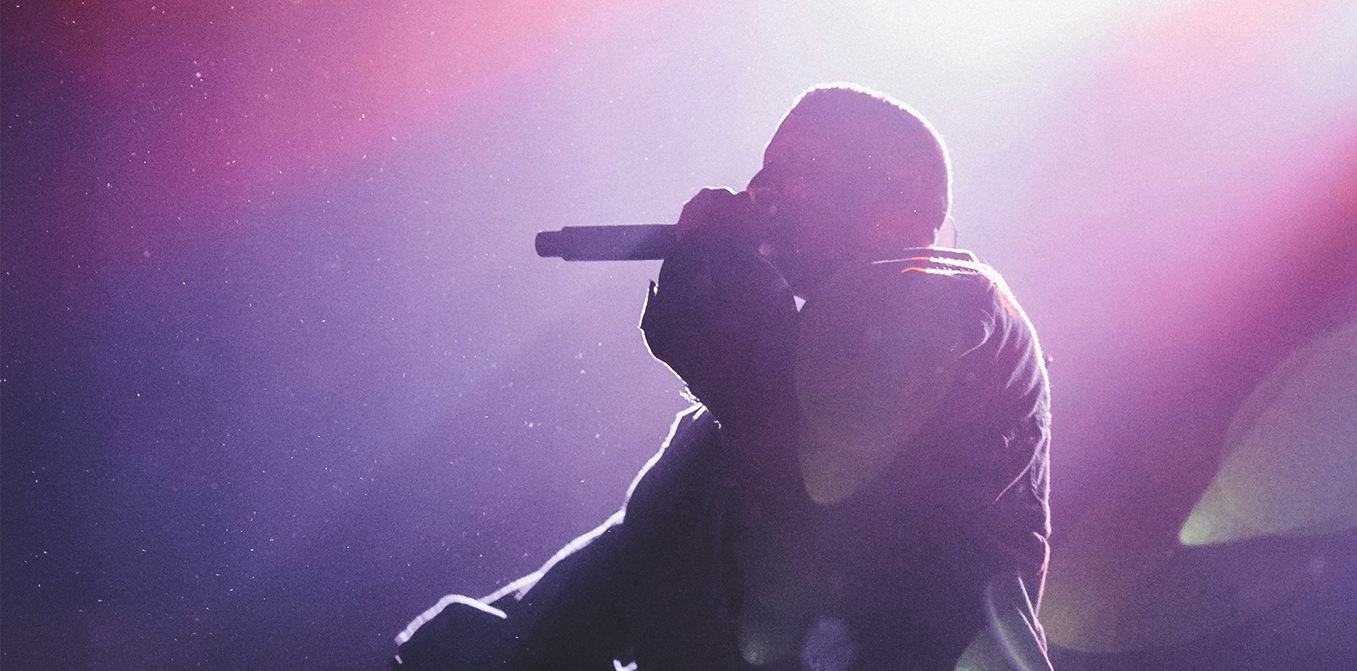
    A person holding a microphone in front of a bright spot

AI-generated content may be incorrect.
    (Photo taken by Karsten Winegeart on Unsplash)

    You probably have hummed a song about drugs or watched content that openly shows consumption and glorifies the enjoyment of various types of drugs. You may even have heard that certain types of drugs can bring about benefits – whether it is enhancing your experience at a rave or helping aid sleep. Globally, drugs have undergone an extensive rebrand, all thanks to the power of cultural influence. How did drugs go from criminal to even a celebrated culture in some parts of the world?

    The Power of Celebrity

    (Source: Link)

    Many musicians, actors, and social media influencers openly use or promote some form of drugs. Some have even launched their own cannabis brand businesses; making drug abuse seem glamorous, creative, and rebellious all while profiting from it at the same time. But the reality is that all of this is planned and purposely framed to challenge perceptions and distort the truth about drugs. 

    Beyond normalising and glamorising drugs, why cultural influence can be exceptionally powerful is in how it is shared. Music, celebrities, movies etc are all cultural influences that are enjoyed with other people, they provide an identity and a sense of connectedness. These influences are all around us and can gradually shape one’s view of reality. It makes them perceive the real world in a way that mirrors what is seen in media, especially in this new age of rapid social media consumption.

    We can all identify with having specific friendships or social groups that are built on a common love and interest for a particular type of cultural influence. What happens when that cultural influence promotes drugs as a certain lifestyle? How does that affect social groups and individual views? It is not easy and takes courage to go against the grain.

    The Reality Check

    Cultural influence is all around us. And as wider legalisation of certain types of drugs and pro-drug narratives gain traction globally, drugs may one day be positioned as a lifestyle choice. The power of cultural influence can turn something undesirable into something desirable, distorting views and encouraging more permissive attitudes towards drugs. This can ultimately lead to openness to try when we lose sight of the real damaging consequences of drug abuse. No matter how “cool” or acceptable drug abuse may seem, it causes harmful consequences that are far from glamorous. Should we exercise greater caution in the media we consume?