
[TLDR: Wellness is all the rage today and understandably so. With its popularity, some companies have taken the opportunity to promote drug products as “wellness” products while cleverly hiding its risks. Real wellness isn’t about the quick fixes. It’s rooted in unbiased research, expert advice from credible healthcare professionals and building genuine healthy habits – not branded solutions from companies profiting off them.]

What Exactly is Wellness?
“Wellness” is a major focus for many of us today. It’s more than being illness-free; it’s about nurturing our mind, body, and spirit in a holistic pursuit of well-being.
As digital natives, we often turn to the Internet to navigate our wellness journeys. After all, it is brimming with advice, supportive communities, and products promising to bring us a step closer to true wellness. The popularity and digital accessibility of wellness products have made it a booming industry, leading to innovations for chronic issues like stress, pain, and insomnia.
However, as many seek solace in such innovations, some companies are now rebranding substances – even drugs – as “self-care”, sold with comforting but misleading labels like “stress relief gummies”. This blurring of the lines often begins with the language used – words crafted to make potentially risky products sound completely safe.
Understanding The Manipulation of Wellness Language
It’s through subtle yet clever wording that some brands mask the potential dangers of their so-called “wellness” products. Language becomes a marketing tool – one that shapes perception before people even look at ingredients. Here are some common tactics to watch out for:
- Misleading Descriptors: Descriptors like “natural” or “plant-based” imply that products are safe simply because they originate from nature and ignores potential risks like drug interactions or dosage concerns.
- “Revolutionary” Concepts: Concepts like “biohacking” create hype for wellness products, but can also frame drug abuse as a sophisticated approach to self-care. These concepts typically lack long-term research to validate their use, say experts like Dr Laureen Wang, head of the Healthy Longevity Research Clinic and Well Programme at Alexandra Hospital. 1
- Emotive Anecdotes: Personal testimonies can create powerful stories, but as convincing as they are, they are not substitutes for scientific evidence.
These tactics may seem harmless when applied to everyday supplements — but the stakes change entirely when the same language is used to position actual drugs as wellness solutions.
When Drugs Are Marketed as Wellness Solutions
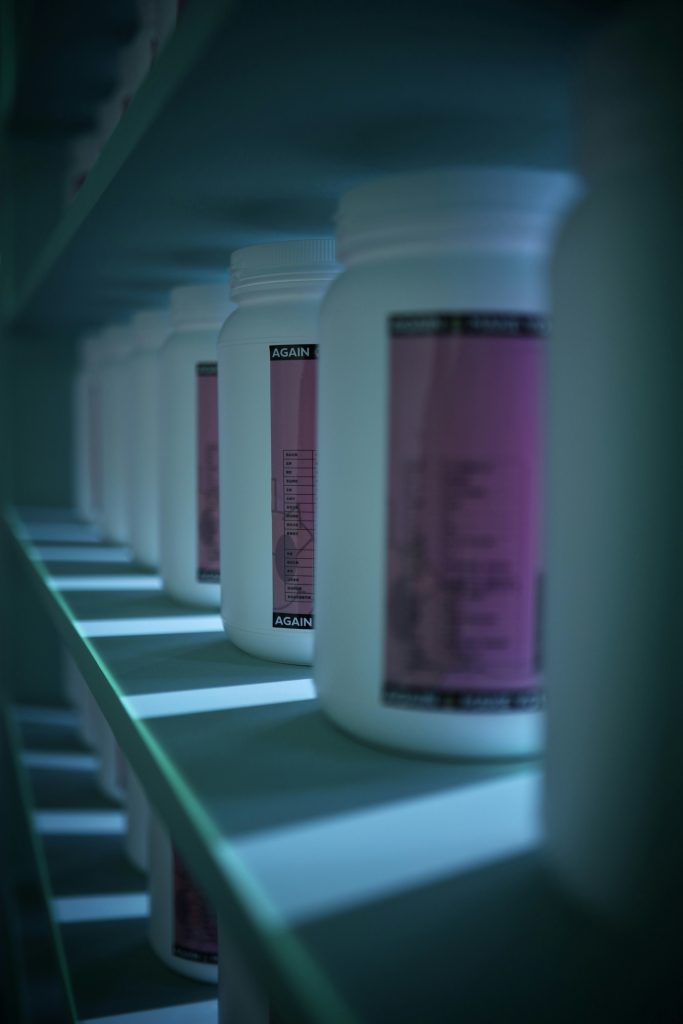
We have already seen how wellness solutions are positioned as must-haves for health, but what happens when the same manipulative language is used on products containing drugs?
We might have heard claims positioning cannabis (weed/marijuana) as a natural remedy for stress relief and anxiety reduction, or Cannabidiol (CBD) retailed as a natural sleep aid. Even opioids are sometimes framed as a quick fix for pain, making it seem like simple solutions for our well-being are within reach. But wellness products may still contain harmful derivatives of drugs, particularly if the product is not pharmaceutically approved (i.e., not FDA/HSA-approved).2
In fact, our recent article had debunked some purported health benefits of weed.3 Psychobiology experts like Professor Bertha Madras confirm that despite increasingly common pro-cannabis narratives, weed is ultimately a drug that can impair cognitive function, even linked to psychosis and schizophrenia. 4
Spotting the Difference Between Wellness & Warning Signs
When dealing with ongoing issues like poor sleep, anxiety, or pain, it’s totally natural to look for wellness remedies. But the onus is on us to conduct thorough research through reliable sources and exercise discernment in evaluating the information we receive.
To reclaim true wellness and avoid bogus products, here are 3 simple tips:
- Prioritise evidence-based information: weigh out information from trustworthy sources that have based their positions on robust and reputable scientific and medical studies. Avoid relying solely on social media trends, marketing claims or testimonials.
- Consult healthcare professionals: our doctors should be trained to assess individual risks and determine the appropriateness of intervention.
- Recognise the signs of misinformation: be wary of quick fixes and promises of unrealistic results. Pause and validate information.
When it comes to our well-being, we know ourselves best. By staying critical and seeking reliable support, we set ourselves up to build a healthy life that truly works for us, far beyond what any shortcut can offer.